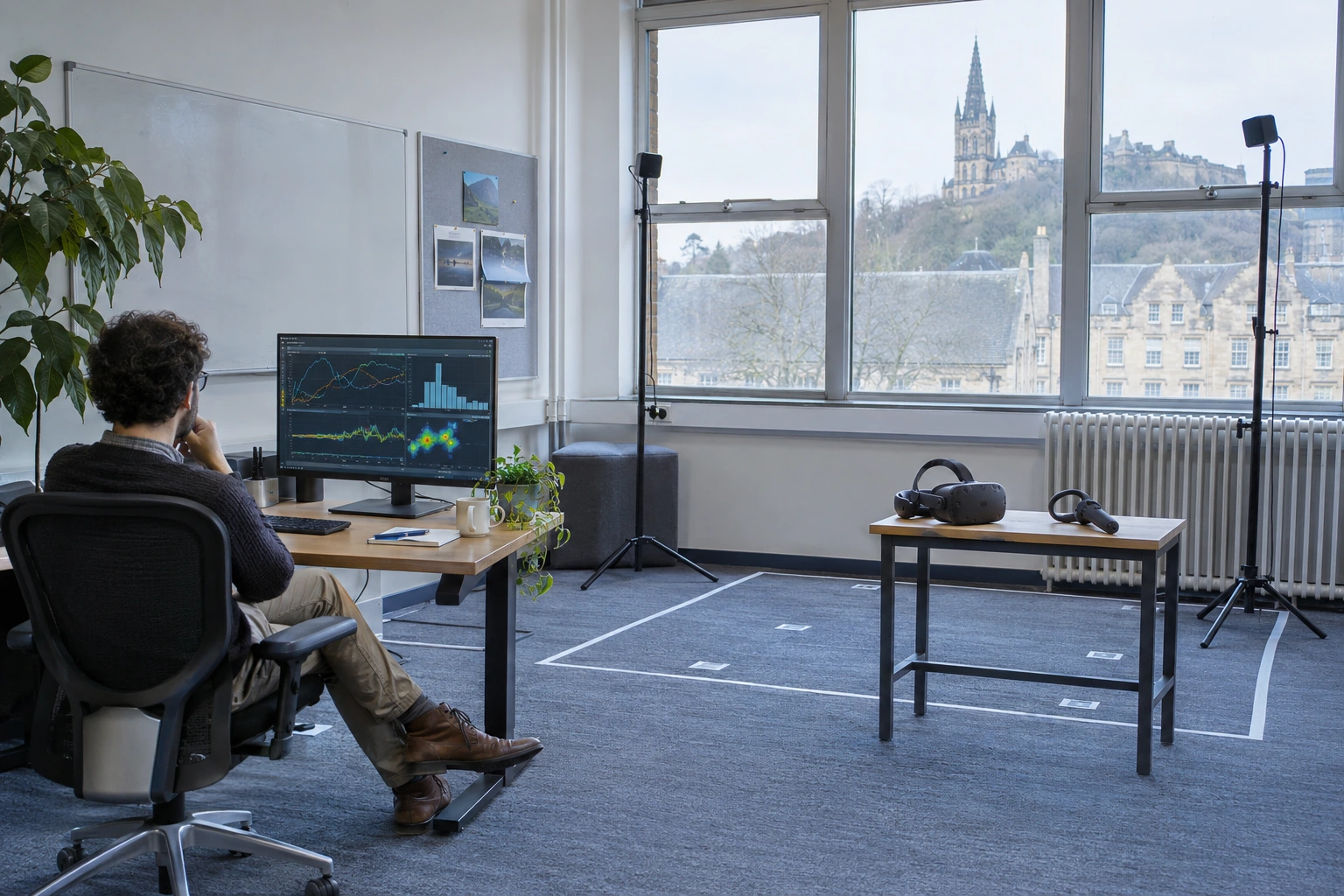
Game Science Lab
Game Science Research: International Case Studies
Serious games model flood decisions, classroom learning and wellbeing. Engagement alone does not establish learning, health benefits or causal effects.

Simulations compare observed frequencies with theoretical probabilities. Controlled experiments test how changes to rules affect outcomes.
Serious games model flood decisions, classroom learning and wellbeing. Engagement alone does not establish learning, health benefits or causal effects.
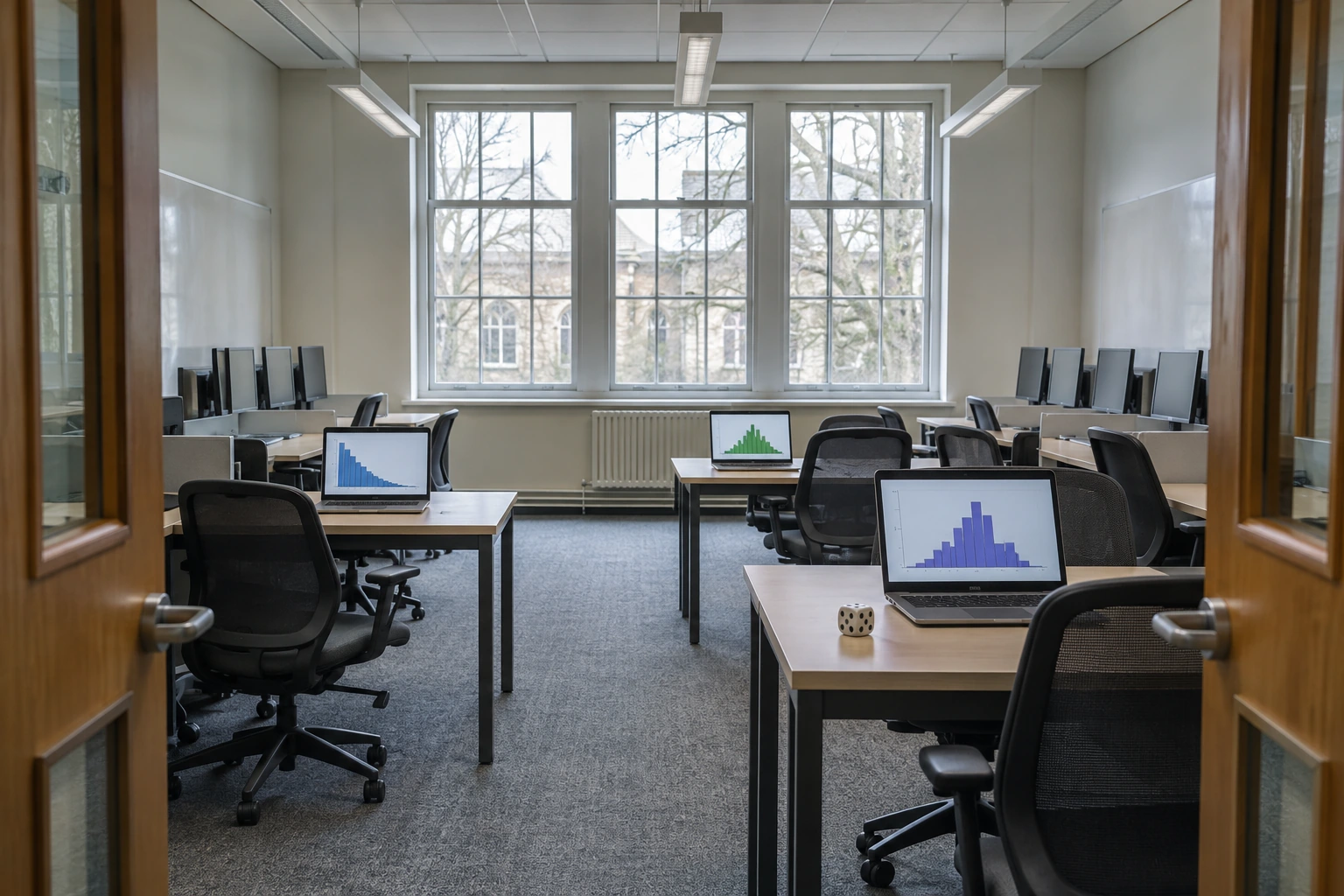
Probability simulations repeat a defined random experiment. Large samples test expected frequencies without making an independent outcome predictable.
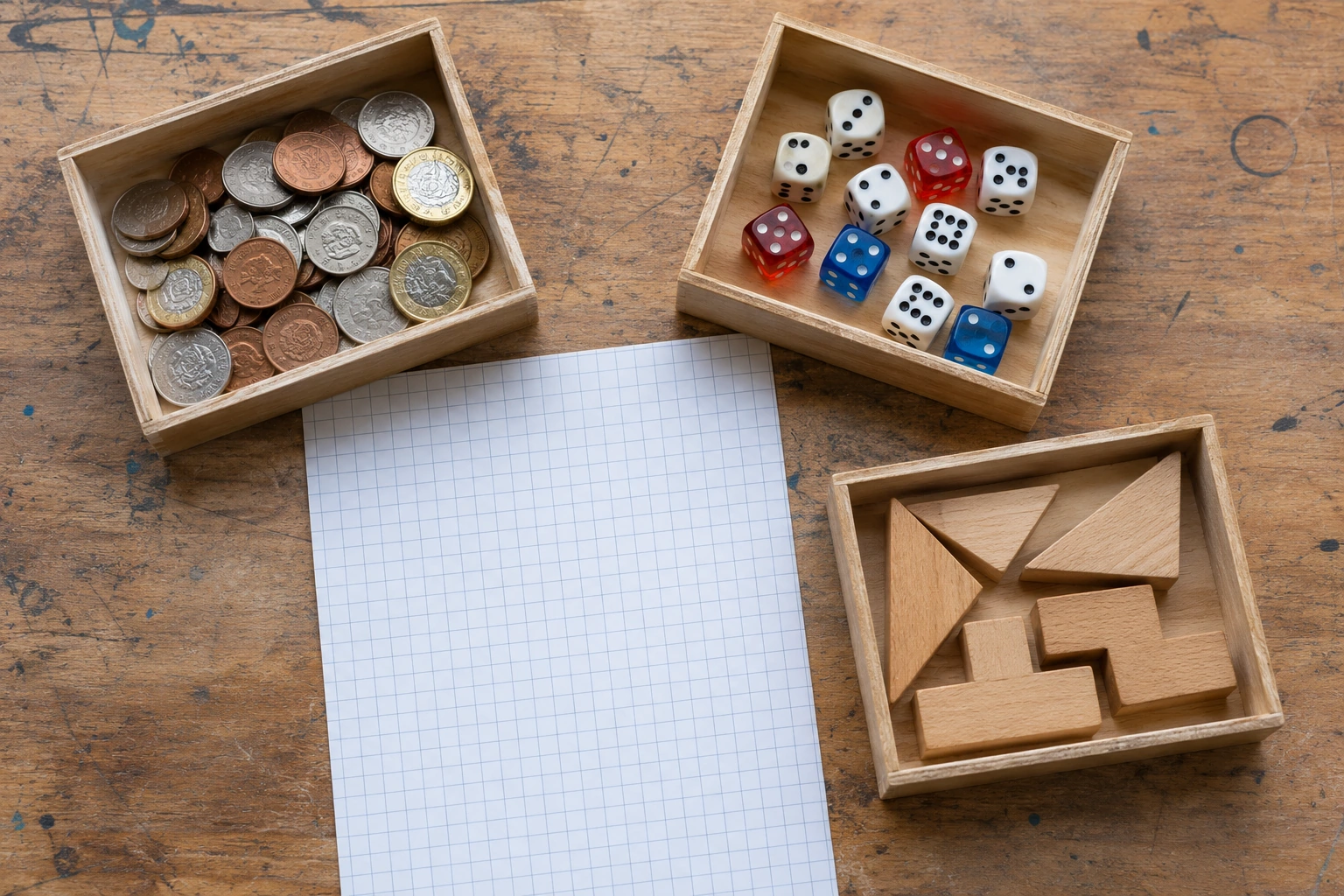
Coins, dice, counters and paper make probability and geometry testable. Recorded trials expose differences between predictions and observed results.
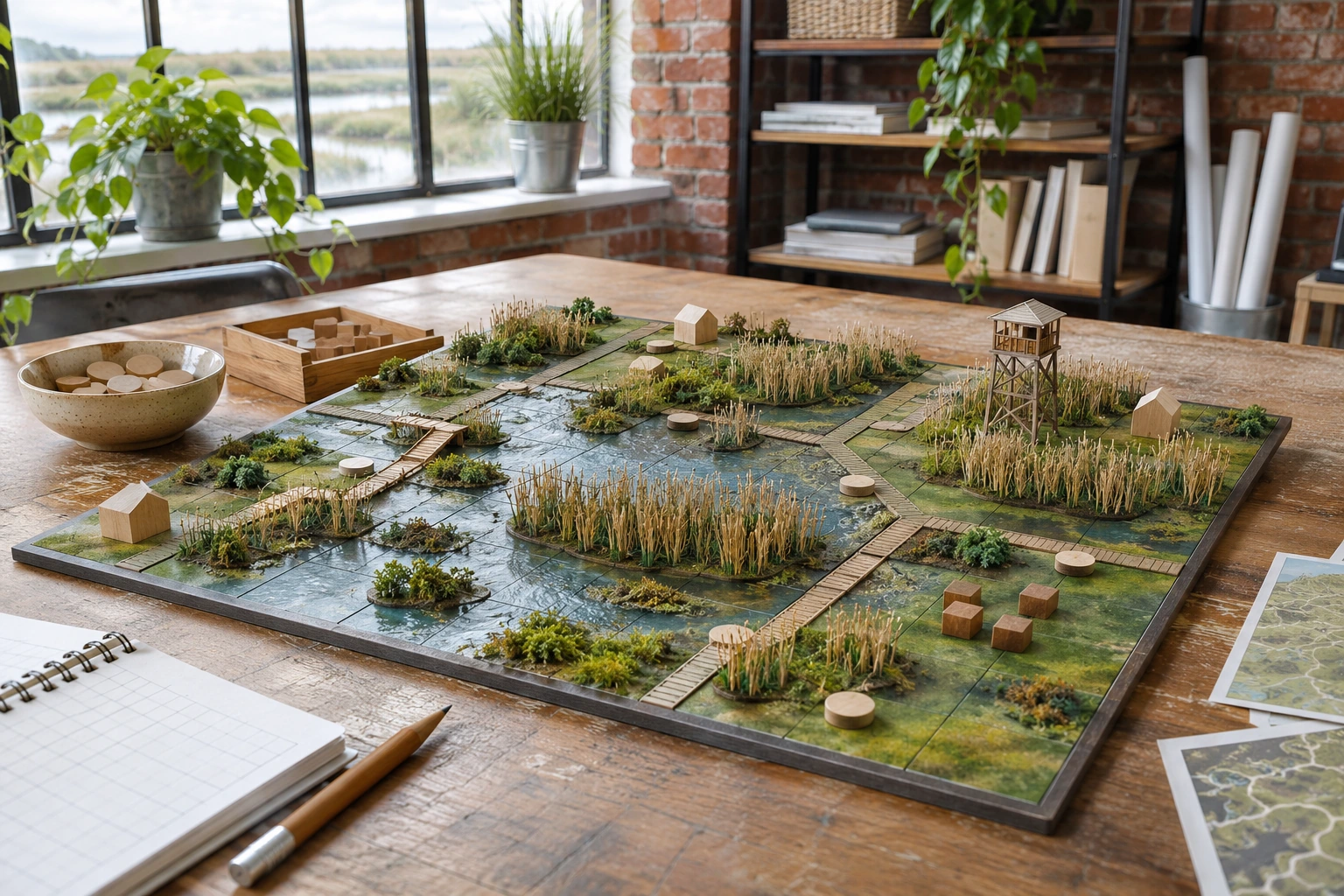
A game model links rules, actions, resources and feedback to outcomes. Changing one assumption at a time helps isolate a mechanic’s effect.